
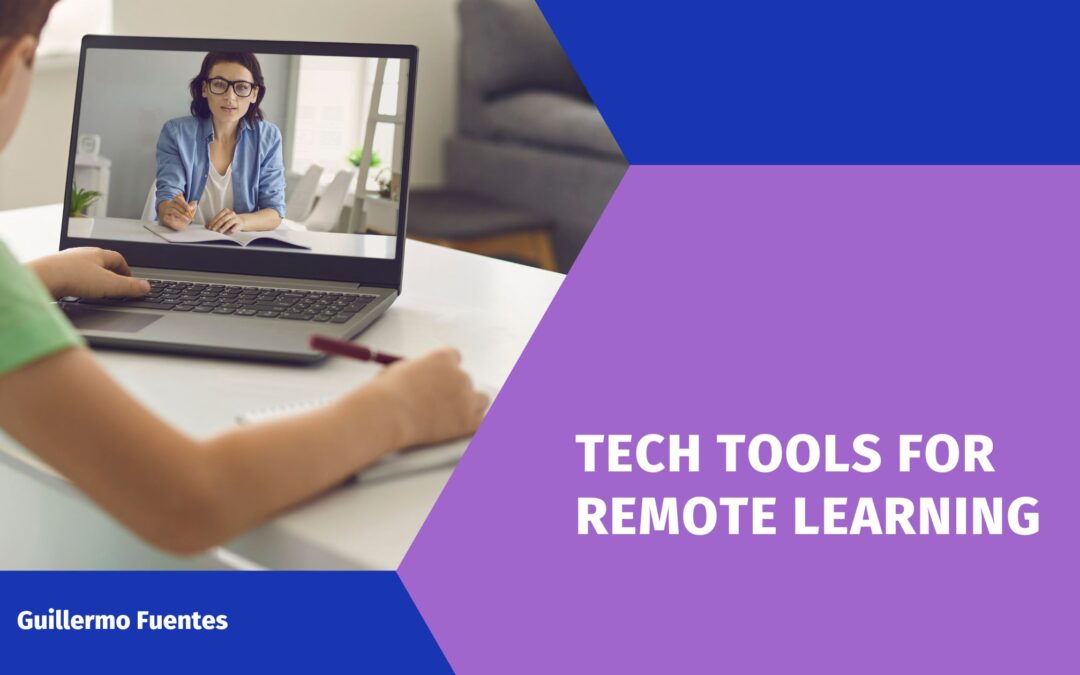
The landscape of education has undergone a profound transformation with the advent of technology, particularly in the realm of remote learning. As individuals seek to upskill and advance their knowledge from any location, many tech tools have emerged, reshaping how we acquire new skills. Let’s explore how these tools empower remote learners to upskill and grow in their respective fields.
Online Learning Platforms:
Online learning platforms, such as Coursera, Udemy, and edX, have become the cornerstone of remote learning. These platforms offer a wide range of courses taught by industry experts, allowing learners to acquire new skills in areas ranging from technology and business to arts and sciences. The flexibility of asynchronous learning enables individuals to pace their studies according to their schedules.
Virtual Classrooms and Webinars:
Virtual classrooms and webinar platforms, including Zoom and Microsoft Teams, facilitate live interactions between instructors and learners. These tools bring the classroom experience to remote settings, allowing real-time engagement, Q&A sessions, and discussions. Virtual classrooms create a dynamic learning environment, fostering collaboration among participants.
E-Learning Management Systems (LMS):
E-learning management systems, like Moodle and Canvas, provide a centralized platform for organizing and delivering educational content. These systems enable educators to create courses, share resources, track progress, and assess learners’ performance. LMS platforms enhance the structure and management of remote learning programs.
Interactive Learning Apps:
Interactive learning apps, such as Duolingo for language learning or Khan Academy for mathematics, bring a gamified and engaging approach to remote learning. These apps leverage technology to make the learning experience interactive, adaptive, and tailored to individual learning styles.
AI-Powered Personalized Learning:
Artificial intelligence (AI) is enhancing remote learning through personalized learning experiences. AI algorithms analyze learner data to tailor content, adapt difficulty levels, and provide targeted feedback. Platforms like Knewton and DreamBox use AI to create adaptive learning paths based on individual progress.
Cloud-Based Collaborative Documents:
Cloud-based collaborative document tools like Google Workspace and Microsoft 365 enable learners to collaborate on real-time projects. These platforms facilitate seamless document sharing, editing, and commenting, enhancing group projects and collaborative assignments in remote learning environments.
Coding and Programming Platforms:
Platforms like Codecademy and GitHub offer interactive coding exercises and projects for those seeking to upskill in coding and programming. These tools provide a hands-on approach to learning programming languages, fostering practical skills development.
Social Learning Platforms:
Social learning platforms, like LinkedIn Learning and Skillshare, combine the benefits of online courses with a social networking element. Learners can connect with peers, join communities, and share insights, creating a collaborative learning environment.